


.png)
Why Smart Investors Still Panic — And How Wealthy Investors Don’t
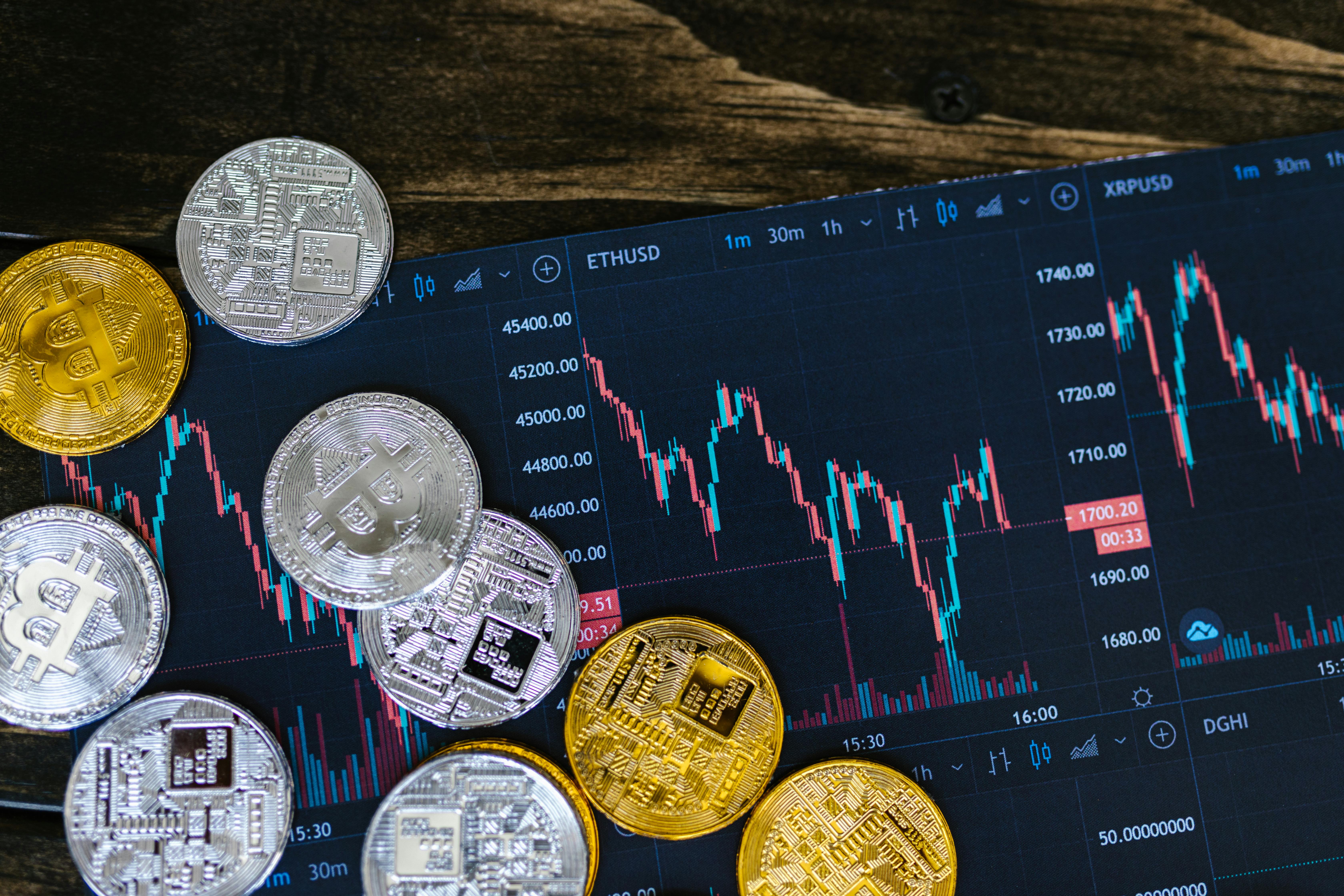
Even smart, educated investors panic when markets fall.
These are people who understand diversification, who’ve lived through crashes before, who can explain why staying invested works — at least when things are calm.
Yet when volatility shows up, they sell at the wrong time, freeze, or abandon plans they spent decades building.
In nearly 20 years of helping people retire, I’ve seen this pattern repeatedly.
Not because people are uninformed — but because panic isn’t an intelligence problem.
It’s a human problem.
Your Brain Is Not Designed for Investing
Your brain is designed for survival, not investing.
Thousands of years ago, reacting quickly to danger kept you alive. That wiring still exists today — but your brain doesn’t know the difference between a physical threat and a financial one.
When your portfolio drops sharply, your brain interprets it as danger.
- Stress hormones rise
- Your heart rate increases
- Your ability to think clearly declines
You’re no longer acting like a long-term investor — you’re acting like someone trying to escape a threat.
Then loss aversion kicks in.
Losing money hurts roughly two to three times more than gaining the same amount feels good.
Even when you know intellectually that markets recover, your nervous system treats losses as something that must be stopped immediately.
Add recency bias to the mix:
When markets fall, your brain becomes convinced that what’s happening now will continue indefinitely.
Every crash feels like the first one — even if you’ve lived through several already.
Panic isn’t caused by lack of knowledge.
It’s caused by biology.
Why Retirement Makes Panic Worse
When you’re working, volatility feels distant.
You’re still earning income and contributing. Time feels like it’s on your side — because it is.
But in retirement, volatility feels personal.
A market decline triggers real questions:
- Will I have to cut back?
- Did I retire too early?
- Will I lose my independence?
When fear meets uncertainty, the instinct is universal:
I need to do something.
That’s where panic becomes dangerous.
Selling feels responsible. Moving to cash feels protective.
Emotionally, it works — briefly.
But the comfort is temporary.
And the damage can be permanent.
The Hidden Cost of Panic Selling
Historically, many of the market’s strongest recovery days occur very close to its worst days.
Investors who panic sell often miss the rebound that drives long-term returns and compounding — what funds decades of retirement.
Panic selling doesn’t protect wealth.
It sacrifices the future to feel safe in the present.
Worse, many investors reenter the market only after things feel safe again — when prices are already higher.
They lock in losses and buy back in late.
How Wealthy Investors Think Differently
Wealthy investors still feel fear. They’re human.
The difference is they don’t rely on emotions to make decisions.
They rely on systems.
Instead of asking, “What should I do right now?” they ask:
“What does the plan say I do in this environment?”
Their confidence comes from preparation — not optimism.
They design portfolios around behavior, not just theory.
They:
- Define asset allocations in advance
- Establish rebalancing rules before volatility shows up
- Create withdrawal strategies that don’t depend on perfect markets
- Build tax frameworks that anticipate downturns
Everything is decided beforehand.
So when markets fall, there’s nothing to debate.
The Key: Separating Income from Investments
One crucial distinction:
Wealthy retirees don’t rely on selling stocks to fund next month’s lifestyle.
They keep two to three years of spending in cash and short-term stable assets.
That one decision changes everything.
When markets fall, their income doesn’t.
There’s no forced selling.
No panic.
They also use advisors as emotional circuit breakers — someone to say:
“This is normal. Stick to the plan.”
That guidance alone can preserve millions over a lifetime.
The Wealthy Investor Playbook in a Downturn
When markets fall, wealthy investors follow a sequence:
1. Confirm liquidity.
Remind themselves their lifestyle is covered for years, not months.
That realization neutralizes panic.
2. Rebalance.
Systematically move back into underweighted assets — effectively buying low without emotion.
3. Look for opportunity.
Use downturns for tax-loss harvesting, Roth conversions, and estate planning strategies.
4. Revisit the plan — not the market.
Ask whether goals have changed. Usually, they haven’t.
5. Practice strategic inaction.
No abandoning strategy. No dramatic shifts.
Doing nothing — when done intentionally — is often the most disciplined action available.
You Don’t Need Millions — You Need Structure
You don’t need millions to think this way.
You need structure.
- A written investment policy statement removes guesswork when emotions are high.
- Income reserves change how volatility feels.
- Automation removes emotion from execution.
- Less fear-based media and more focus on long-term history builds confidence instead of anxiety.
Smart investors panic because they’re human.
Wealthy investors avoid panic because they’ve built systems to protect themselves.
The goal isn’t to eliminate emotion.
It’s to make sure emotion never gets the final say over your financial future.
Registered Representative of Sanctuary Securities Inc. and Investment Advisor Representative of Sanctuary Advisors, LLC.– Securities offered through Sanctuary Securities, Inc., Member FINRA, SIPC. – Advisory services offered through Sanctuary Advisors, LLC., an SEC Registered Investment Advisor. – Theorem Wealth Management is a DBA of Sanctuary Securities, Inc. and Sanctuary Advisors, LLC. This communication has not been reviewed for completeness or accuracy, does not necessarily reflect the views of Sanctuary Securities, Inc. or Sanctuary Advisors, LLC., and is not a recommendation or endorsement of any product, service, or issuer. Third party posts do not reflect the views of Theorem Wealth Management or Sanctuary Securities, Inc. or Sanctuary Advisors, LLC., and have not been reviewed for completeness and accuracy. All further communications from this representative must be sent from and received by johnathan@theoremwm.com. For additional information, please refer to one of the following consumer websites: www.FINRA.org, www.SIPC.org.

